Choosing the right conference table for a boardroom can significantly impact meetings and discussions. Renowned interior design expert, Sally Johnson, once stated, "The perfect table sets the stage for collaboration and creativity." This emphasizes the importance of thoughtful selection.
When considering how to choose the right conference table for a boardroom, you must assess various factors. The table's shape and size should suit your space and accommodate your team comfortably. Think about the materials, too; wood offers warmth, while glass adds a modern touch. Color plays a vital role in setting the right mood.
It's easy to overlook functionality. Many tables come with built-in technology for presentations. Reflect on how your team uses the space. Are meetings often informal, or do you need a formal setting? A mismatch can hinder productivity. By carefully considering these aspects, you can find a table that not only looks great but also enhances collaboration and communication.
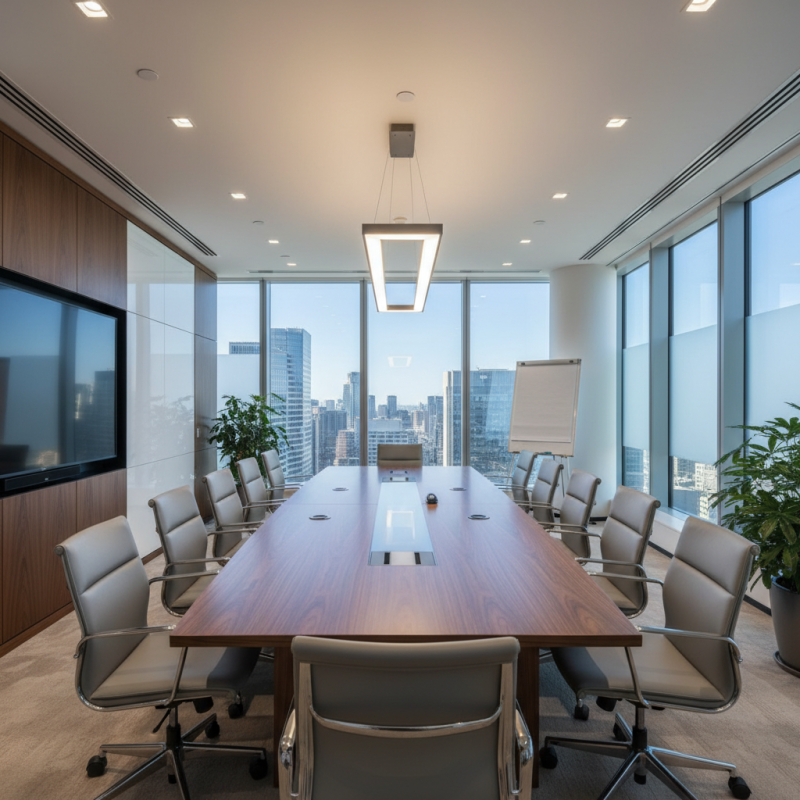
Choosing the right conference table goes beyond aesthetics. It is essential to understand the specific needs of your boardroom. Different meetings require varying layouts and sizes. A rectangular table may suit formal discussions, while a round table fosters collaboration. Consider how many people you typically host. The table should accommodate everyone comfortably.
The purpose of your boardroom also greatly influences your choice. If you often hold presentations, an oval or U-shaped table can facilitate communication. Think about the technology required. Do you need space for screens, projectors, or cables? These factors will determine the table's design and placement. Aim for a table that enhances productivity.
On the other hand, remember that not every choice is perfect. Some tables may feel too expansive, leading to disconnect among members. Reflect on previous meetings. Did the layout aid or hinder discussions? Use those insights to make a better decision. It's crucial to find a balance between style and function. Consider your options carefully to create an engaging boardroom atmosphere.
Choosing the right conference table involves more than aesthetics. Assessing space requirements is crucial. Measure your boardroom carefully. Consider the length and width of the space. This will determine the table size you can accommodate. A table that’s too large may crowd the room. Conversely, a small table might feel inadequate for important meetings.
Room layout plays a significant role in functionality. Take note of doorways and windows. Ensure the table does not obstruct movement. An ideal layout allows for easy access to seating. Think about the configuration of seats as well. Will you need chairs on all sides? How many people will typically use the table? Create an inviting atmosphere where everyone can engage.
Evaluate the table's shape. Rectangular tables are popular but not always the best fit. Round tables encourage conversation but may not suit larger groups. Consider your team's dynamics. This reflection can lead to a more productive environment. Every boardroom has its unique challenges. Addressing these can elevate discussions and decisions.
Materials and finishes play a crucial role in setting the tone of a boardroom. When selecting a conference table, consider the aesthetic that best reflects your company's values. Wood, for example, offers warmth and a classic feel. It can create an inviting atmosphere for discussions. However, ensure it complements the overall decor.
Metal and glass provide a modern touch. They convey professionalism and a forward-thinking mindset. A sleek glass table can make a small room feel larger. But, it may require more maintenance. Reflect on your team's dynamics. What materials would encourage collaboration?
Finishes also matter. Matte surfaces can reduce glare, promoting focus. Glossy finishes might enhance elegance but can distract during presentations. Balance is key. Be aware of the overall vibe you desire before making a choice. It's about matching aesthetics with functionality. A perfect table should foster communication while looking great.
Choosing the right shape and size for a conference table is crucial in fostering effective boardroom dynamics. According to industry reports, about 70% of workplace interactions happen in conference rooms. Therefore, the table's design plays a significant role in facilitating communication and collaboration among team members.
Rectangular tables often promote a structured environment, suitable for formal discussions. However, they can feel limiting. In contrast, oval or circular tables invite inclusivity and open dialogue. Research shows that circular tables can boost brainstorming sessions by around 25%. The right size is equally important; a table that is too large can create physical and psychological distance, while a table that is too small can lead to cramped spaces and discomfort.
Notably, issues can arise when the chosen shape doesn't align with the boardroom's function. For instance, a long boardroom table may hinder interaction during creative workshops. Being mindful of these dynamics is essential. Adapting to the specific needs of your team and the nature of discussions can greatly enhance productivity and engagement in your boardroom.
| Table Shape | Ideal Size (Length x Width) | Seating Capacity | Ideal Use |
|---|---|---|---|
| Rectangular | 72 x 36 inches | 8-10 | Formal Meetings |
| Oval | 72 x 48 inches | 8-10 | Collaborative Discussions |
| Round | 60 inches Diameter | 6-8 | Casual Meetings |
| Square | 60 x 60 inches | 4-6 | Small Team Meetings |
| U-Shaped | Varies (Typically 120 inches) | 10-12 | Presentations & Training |
Choosing the right conference table is vital for any boardroom. Budget considerations are often at the forefront of this decision. When selecting a table, determine your financial constraints. This helps narrow down your options effectively. With numerous styles and materials available, some choices can be surprisingly affordable.
Think about the size of your boardroom. A large table may look impressive but can strain your budget. Instead, consider a medium-sized option that fits your needs. Folding or modular tables can provide flexibility without breaking the bank. Reflect on how often you use the space. Prioritize durability if your boardroom hosts frequent meetings.
Cheap doesn’t have to mean low quality. Research materials used in making tables. Some materials may be cost-effective yet robust. Be wary of overly cheap options; they may require replacement sooner. It’s essential to strike a balance between cost and longevity. Design matters, too. A well-designed table enhances professionalism but can come at a price. Consider simple designs that still convey elegance. The right table fosters effective collaboration while being mindful of your budget.
: Consider the purpose of your meetings. Rectangular tables suit formal discussions; round tables encourage open dialogue.
The table should accommodate your team comfortably. Avoid sizes that create physical distance or cramped spaces.
The right shape promotes communication. For example, circular tables boost brainstorming sessions significantly.
Reflect on whether the layout supported or hindered discussions. Use this insight for future table choices.
Consider medium-sized or modular tables. They offer flexibility and may fit within your financial constraints.
Material affects both durability and cost. Be cautious of overly cheap options that may need replacing soon.
Yes, a well-designed table enhances professionalism. Simple designs can convey elegance without a high price tag.
Yes, if you require screens or cables, factor this into your table's design and placement for better functionality.
Avoid choosing based solely on aesthetics. Balance style with functional needs for an effective boardroom environment.
Reevaluate based on meeting dynamics and team needs. Regular reflection helps ensure the table remains effective.
When considering how to choose the right conference table for a boardroom, it's essential to first understand the specific purpose and usage of the table. This includes evaluating the types of meetings that will be held and the number of participants typically involved, as this will inform the appropriate size and layout. It's equally important to assess the spatial requirements of the room, ensuring that the table complements the overall design and permits comfortable movement.
Materials and finishes play a crucial role in establishing the right aesthetic for a boardroom, creating an environment that reflects professionalism and functionality. Selecting the ideal shape—whether rectangular, oval, or round—can enhance the dynamics of discussions and collaboration. Lastly, budget considerations are vital; one must explore cost-effective options that maintain quality without compromising the room's integrity. By following these guidelines, you can effectively choose a conference table that meets both practical and aesthetic needs in your boardroom.

Vant Furniture