In today’s fast-paced world, creating a minimalist office space can improve focus and productivity. However, a common challenge arises: How to maximize storage in a minimalist office? This question is crucial for professionals who wish to maintain an uncluttered environment while still keeping essential items close at hand.
Effective storage solutions can blend seamlessly with minimalist aesthetics. For instance, wall shelving can keep books and files off desks. Utilizing multi-functional furniture can also help. Think of using a coffee table that doubles as a storage box. It’s not just about hiding clutter; it’s about creating a serene workspace.
Many people overlook the importance of organization systems. A few labeled boxes or drawer dividers can make a big difference. Reflecting on what items you truly need can help too. Not everything needs to be on display, and sometimes, less really is more. Learning to let go can open up space, literally and figuratively.
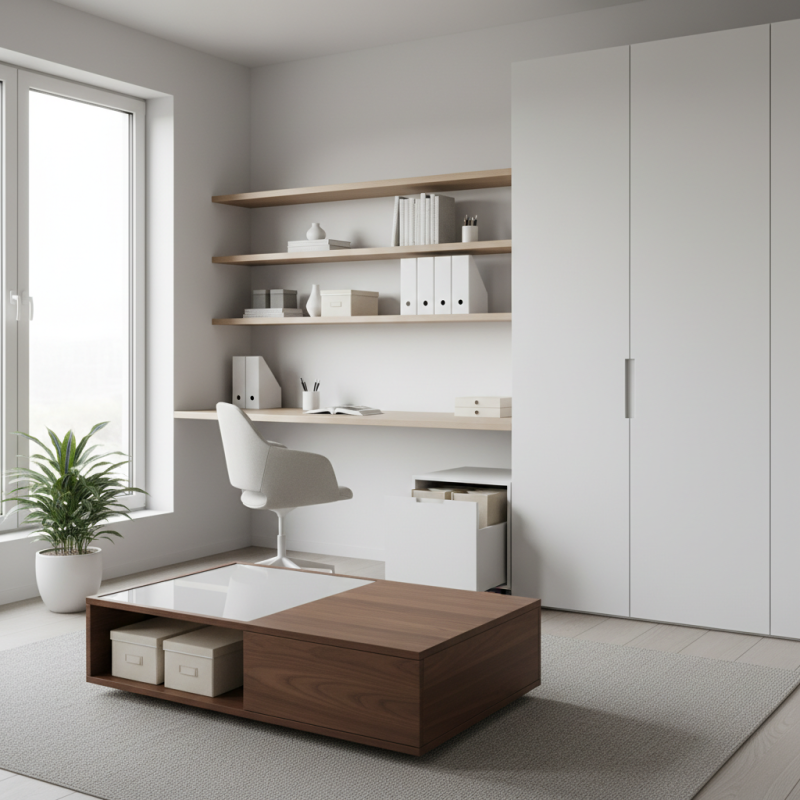
In a minimalist office space, each square foot is valuable. Start by assessing your current layout. Look for underutilized areas. Reports indicate that 70% of office workers feel clutter affects productivity. Identifying these zones can transform your environment.
Utilize vertical space. Install shelves and cabinets that reach up to the ceiling. This practice can increase storage by up to 30%. Consider multi-functional furniture, like desks with built-in storage. The balance between minimalism and functionality is crucial.
Evaluate what you truly need. Many professionals hold onto items they rarely use. Analyze what contributes to your workflow. Transforming your office requires an honest reflection on your habits. Sometimes, less is indeed more.
In a minimalist office space, choosing multi-functional furniture can significantly enhance storage capabilities. Studies show that incorporating such furniture can increase usable space by up to 30%. For example, a desk that doubles as a shelving unit frees up floor space. With careful design, these pieces blend storage and workspace seamlessly.
Consider adaptable furniture solutions. A foldable table can provide extra workspaces when needed but tuck away when not in use. Ottomans with storage can serve both as seating and hidden compartments for files. This dual-purpose approach not only maximizes square footage but also fosters a clean, organized environment.
However, selecting the right multi-functional furniture can be challenging. A common mistake is underestimating size and weight limits. Items that seem ideal may not fit standard office equipment. Careful planning and measuring are vital. Thoughtful arrangements can lead to a more efficient use of space, promoting a a functional and aesthetically pleasing office.
Maximizing storage in a minimalist office involves utilizing vertical space effectively. Shelving is an excellent solution for small areas. It draws the eyes upward, making a room feel larger. Floating shelves can be installed above desks or workspaces. This design creates storage without taking up floor space. Also, they are customizable. You can choose various materials and colors to match your office decor.
Wall storage solutions add functionality. Consider wall-mounted organizers or pegboards. These tools allow you to hang supplies where you can see them. It minimizes clutter on desks while keeping essentials handy. Don’t shy away from using decorative boxes or bins on shelves; they can hold loose items and maintain a clean look.
Reflect on your usage patterns. What items do you need daily? Place those within easy reach. Items used less frequently can be stored higher up. Remember, storage needs can evolve. Reassess your setup regularly to enhance efficiency and aesthetics. Minimalism is about thoughtful organization, so fine-tuning your storage solutions is essential. Sometimes, less really is more.
In a minimalist office space, organizing systems play a crucial role.
Smart layouts can turn a small area into a functional workspace. Use vertical storage
to save floor space. Shelves or wall-mounted units can keep supplies accessible but out of the way.
Consider color-coded bins for quick identification of items.
This not only streamlines the workflow but also adds a touch of personality.
Label everything.
Clear labels help in finding items quickly, reducing frustration.
Explore different types of storage options, like modular units. They can adapt to your needs as projects evolve.
Think about a desk organizer that holds essential tools and keeps clutter at bay.
Reflection on daily habits will reveal if changes are needed.
Regularly assess your systems. Are they working as intended?
Modify them if they do not serve your purpose well.
Create a routine for decluttering. Let go of items that no longer fit your work style.
A minimalist approach requires honesty about what you truly need to keep.
Embrace the challenge of maintaining organization in a limited space.
Creating a minimalist office space can significantly enhance storage capacity. Start by addressing clutter. Assess your items critically. Keep only what is essential. This not only clears your desk but also opens up physical and mental space. For instance, a single pen holder can replace multiple containers. This simple change can reveal a more organized workspace.
Consider vertical storage solutions. Wall-mounted shelves can store books and files without taking up desk space. Use boxes or baskets for a tidy appearance. Label them for easy access. However, it's important to occasionally reevaluate what you keep on shelves. Are those books still useful? Are they taking up space unnecessarily?
Implementing a minimalist approach may feel uncomfortable at first. Letting go of familiar items can be challenging. Embrace the idea of functional aesthetics. Focus on items that inspire or enhance your productivity. Reflect on which pieces truly contribute to your work goals. This ongoing process encourages thoughtful decisions about what fills your office.
: Utilize vertical space with shelving to create more room without occupying floor space.
Floating shelves are a great option. They can be customized in materials and colors for your decor.
Wall-mounted organizers and pegboards keep supplies visible, reducing clutter on desks while maintaining access.
Use decorative boxes or bins on shelves to store loose items and maintain a clean look.
Regularly evaluate your setup. Storage needs change, and fine-tuning ensures efficiency and aesthetics.
Begin by assessing items. Keep only essentials to create mental and physical space.
Reflect on usage patterns. Are all items still useful, or are some just taking up space?
A minimalist approach inspires productivity and encourages thoughtful decisions about your workspace.
Embrace the idea of functional aesthetics. Focus on items that truly support your work goals.
Less clutter provides mental clarity and a more inspiring environment for focused work.
In exploring how to maximize storage in a minimalist office, the first step is assessing your office space to identify potential storage opportunities. This involves evaluating unused areas and integrating multi-functional furniture, which can serve multiple purposes while conserving space. Utilizing vertical space through shelving and wall storage solutions is another effective strategy, allowing you to keep the floor area clear while maintaining organization.
Implementing organizing systems is crucial for efficient item management, helping to categorize and reduce clutter. Adopting a minimalist approach means regularly decluttering your workspace, which not only enhances storage capacity but also contributes to a cleaner, more focused environment. By following these guidelines, you can create a practical and inviting office space that embodies the principles of minimalism.

Vant Furniture